TL;DR
For any developer who uses Claude Code consistently, a flat Claude subscription is far cheaper and more predictable than the pay-as-you-go API. Confirmed official pricing is Pro at $20 a month, Max 5x at $100 a month, and Max 20x at $200 a month. Anthropic's own Claude Code docs put real-world API spend at roughly $13 per developer per active day and $150 to $250 per developer per month.
The real cost of Claude Code is driven less by sticker price than by three things: which model you run (Opus burns quota and dollars roughly 5x faster than Sonnet), how much context you load, and whether you use a capped subscription or uncapped API billing. Community reports of $1,000 to $6,000-plus bills almost always trace back to uncapped API usage, automation loops, or Opus by default.
For a small team of 2 to 10 developers, the most cost-controlled path in mid-2026 is individual Max plans or Team Premium seats ($100 per seat) for active coders, with API keys reserved only for automation. Team Standard seats ($20 per seat) do not include Claude Code. That single fact is the most common small-team budgeting mistake.
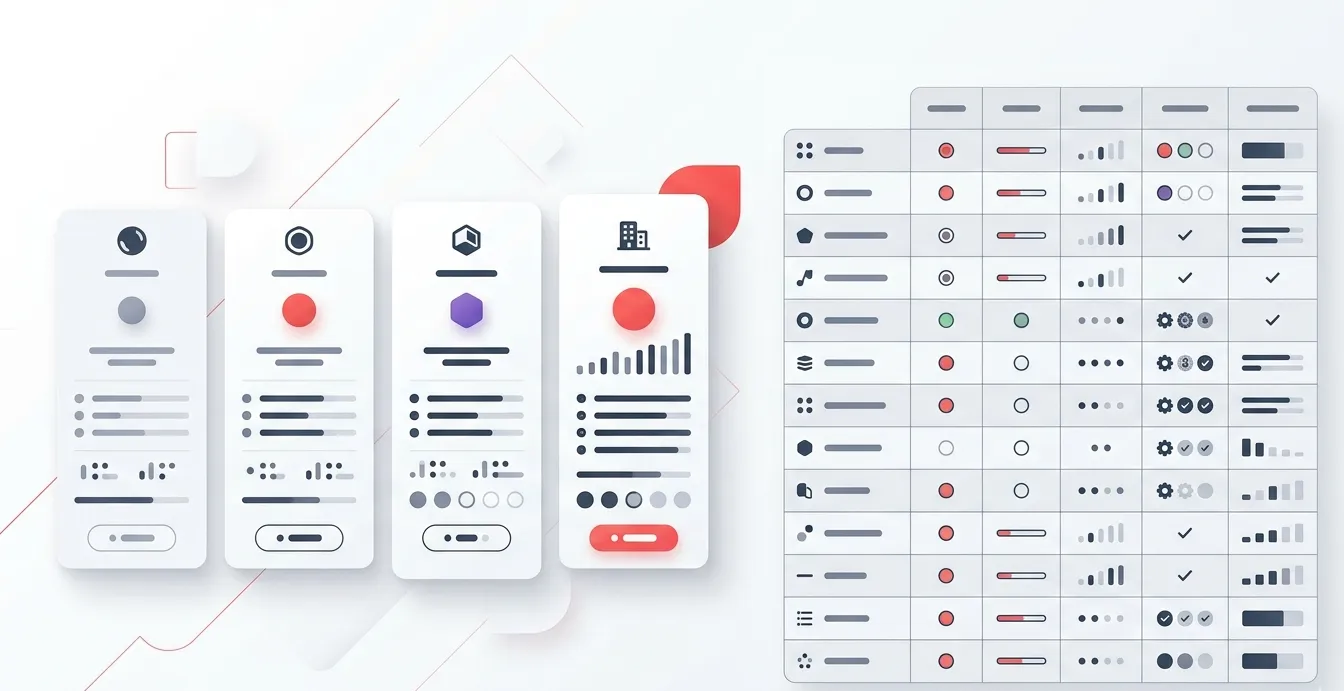
Subscription tiers Pro/Max 5x/Max 20x/Team Premium next to API token pricing for Opus, Sonnet, Haiku
There is no standalone "Claude Code" price
Claude Code is billed through whatever Claude plan or API account you already have. The Free plan does not include it. You need at least Pro or API credits to run it. Per Anthropic's Claude Code overview, the tool runs in the terminal as its primary surface and as IDE extensions for VS Code and JetBrains, plus desktop, web, and remote surfaces. All of them hit the same engine. The cost question is therefore not "how much is Claude Code," but "which Claude billing path covers it for the way I work."
This pairs cleanly with our GitHub Copilot token billing piece: both tools have moved off flat seat pricing into model and token economics, and the budgeting muscle you build for one transfers to the other.
The two ways to pay
Subscription (Claude Pro, Max, Team, Enterprise): a flat monthly fee bundles Claude Code usage within rate limits shared across all Claude surfaces. Predictable, capped, and cannot produce a surprise bill when you decline API overflow. This is interactive, human-in-the-loop use only. Per Anthropic's support documentation, the terms prohibit using subscription OAuth credentials for automated or programmatic use.
API or pay-as-you-go (Claude Console): billed per token at standard API rates. No monthly minimum, no ceiling. Required for automation, CI/CD, and scripted use. If you set an ANTHROPIC_API_KEY environment variable, Claude Code bills the API instead of your subscription. This is the lever that produces the viral horror-story bills.
Confirmed subscription pricing (verified June 2026)
From claude.com/pricing:
Free: $0. No Claude Code.
Pro: $20 a month, or $17 a month on annual billing ($200 paid up front). Includes Claude Code.
Max 5x: $100 a month. 5x Pro usage.
Max 20x: $200 a month. 20x Pro usage. Monthly billing only.
Team Standard: $20 per seat per month on annual billing, $25 monthly. Does not include Claude Code.
Team Premium: $100 per seat per month on annual billing, $125 monthly. Includes Claude Code, 5x more usage than Standard. Minimum 5 seats, mix and match allowed across Standard and Premium.
Enterprise: $20 per seat plus usage metered at API rates, 500K context window, custom pricing via sales.
The most common small-team budgeting mistake is buying Team Standard at $20 per seat thinking it covers Claude Code. It does not. If you want Claude Code through the Team product, you need Premium at $100 per seat.
Confirmed API pricing per million tokens (June 2026)
From platform.claude.com, per million tokens (input / output):
Model | Input | Output | Cache read |
|---|---|---|---|
Claude Opus 4.8 / 4.7 / 4.6 / 4.5 | $5 | $25 | $0.50 |
Claude Sonnet 4.6 / 4.5 | $3 | $15 | $0.30 |
Claude Haiku 4.5 | $1 | $5 | $0.10 |
Deprecated Opus 4.1 / 4 | $15 | $75 | n/a |
Fast mode Opus 4.8 | $10 | $50 | n/a |
Two cost-shaping rules to remember:
Batch API: 50% off all models, when latency is not a constraint.
Prompt caching: cache reads cost 0.1x input, up to 90% savings on repeated context. Claude Code uses this heavily, which is why effective costs land far below raw token math.
Opus 4.8, 4.7, 4.6 and Sonnet 4.6 include the full 1M-token context window at standard pricing. The Opus 4.8 release on May 28, 2026 brought current-flagship capability we covered in our Claude Opus 4.8 business features piece.
Usage limits are the hidden cap on "real cost"
Subscriptions use a rolling 5-hour session window plus weekly limits. Weekly rate limits took effect August 28, 2025. On May 6, 2026, Anthropic doubled the 5-hour limits for Pro, Max, Team, and seat-based Enterprise, and removed peak-hour throttling. The post published no new hour figures and left weekly caps unchanged. Usage is shared across claude.ai, Claude Desktop, and Claude Code, so reading code on the web counts against the same pool as your terminal session.
The most recent official per-plan hour estimates remain the August 2025 figures Anthropic gave TechCrunch:
Pro: roughly 40 to 80 hours of Sonnet per week.
Max 5x: 140 to 280 hours of Sonnet plus 15 to 35 hours of Opus per week.
Max 20x: 240 to 480 hours of Sonnet plus 24 to 40 hours of Opus per week.
Anthropic spokesperson Amie Rotherham told TechCrunch (July 28, 2025) that "Claude Code has experienced unprecedented demand since launch," that "most users won't notice a difference," and that the limits affect "less than 5% of subscribers" based on then-current usage patterns. VentureBeat's coverage of the August 28 rollout captures the developer backlash that followed.
Subscription beats API for consistent users by a wide margin. Anthropic's own Claude Code cost docs cite roughly $13 per developer per active day and $150 to $250 per developer per month across enterprise deployments, with 90% of users below $30 per active day. Heavy agent users can consume the equivalent of $1,000 to $3,000-plus in API tokens for a flat $200 Max 20x subscription.
Why agentic coding burns tokens
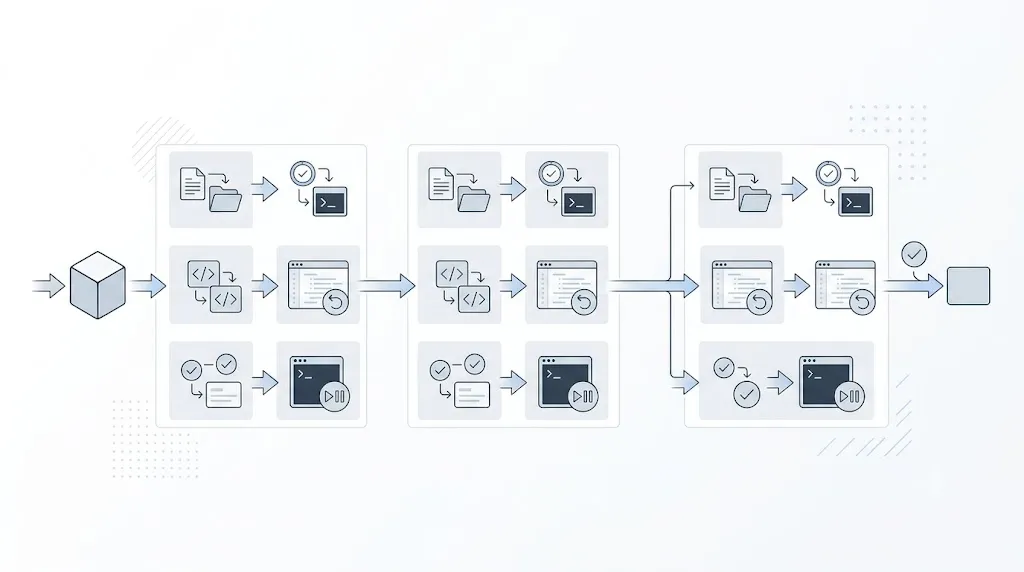
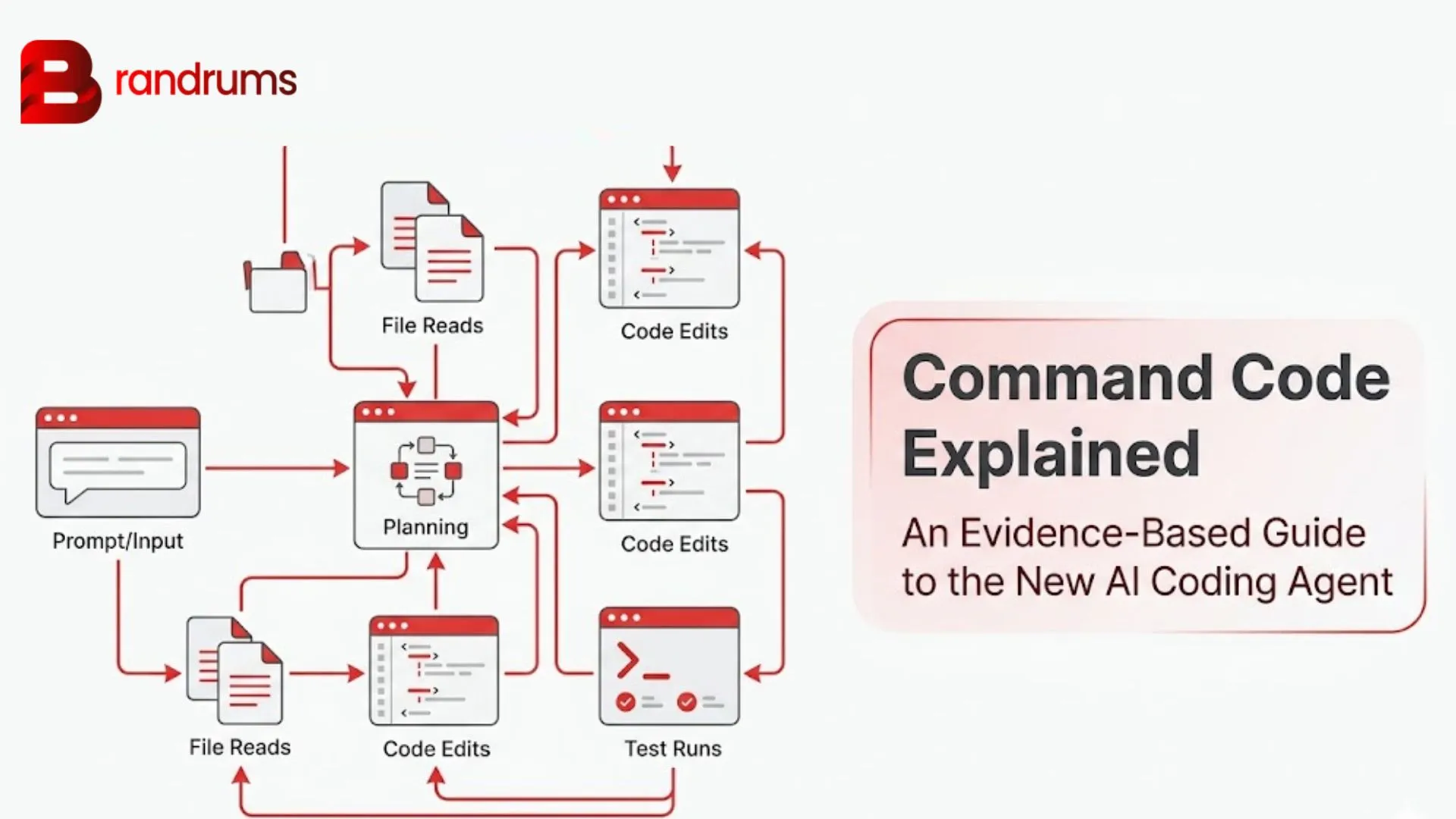
Diagram of a single Claude Code prompt triggering plan, file reads, edits, and test runs across multiple inference cycles
A single Claude Code "prompt" triggers multiple inference cycles: plan, explore the codebase, read files, edit, run tests. Large context (it can load whole repos) and extended thinking (billed as output tokens at 5x input price) multiply the cost. Multi-agent workflows multiply it further.
In Anthropic's own engineering write-up "How we built our multi-agent research system," the company notes that "agents typically use about 4x more tokens than chat interactions, and multi-agent systems use about 15x more tokens than chats." Claude Code's own cost docs likewise warn that agent teams run roughly 7x more tokens than a standard single-agent session, because each teammate maintains its own context window. The mitigating factor is prompt caching, which Claude Code leans on heavily. One developer's published logs showed over 90% of tokens were cache reads, which is why effective cost lands far below raw token math.
The same multi-agent economics show up in product builds. We unpacked the operational version of this discipline in our audit-ready AI agents guide and the application-layer version in our AI agents in mobile apps 2026 guide. Both pieces point at the same lever: bound the context and the agent count before you scale the budget.
Real-world spend (community-reported, not official)
These are individual anecdotes, clearly not typical or official figures. They are useful as range-finders, not benchmarks.
A developer published local session logs showing roughly 10 billion tokens over 8 months would have cost over $15,000 at API rates. They paid about $800 on Max, a roughly 93% saving. Their single heaviest month (July 2025, 201 sessions) had an API-equivalent cost of $5,623.
A Reddit user's overnight automation loop reportedly generated a $6,000 bill by repeatedly rebuilding an 800,000-token context. The cause was uncapped API plus an infinite loop, not the tool itself.
Tom's Hardware, citing Axios, reported an enterprise that ran up a $500 million one-month Claude bill after failing to set usage caps on employee licenses.
Per Fortune (May 26, 2026), citing The Information, Uber CTO Praveen Neppalli Naga said Claude Code adoption jumped from 32% to 84% of its roughly 5,000-engineer organization, with per-engineer costs of $500 to $2,000 per month (average $150 to $250). COO Andrew Macdonald called it a "head-exploding moment."
Per The Verge (mid-May 2026), most Claude Code access in Microsoft's Experiences + Devices division ends June 30, 2026, with engineers steered to GitHub Copilot CLI after token-based billing became unsustainable at deployment scale.
The small-team math
These are illustrative estimates built on confirmed rates. Treat them as ranges, not quotes.
Solo founder or single developer
Light use (1 to 2 focused sessions a day): Pro at $20.
Daily multi-file work: Max 5x at $100.
Claude Code as primary tool all day: Max 20x at $200.
Team of 3 to 5 developers
Either individual Max 5x at $100 per dev ($300 to $500 a month total), or Team Premium seats at $100 per seat on annual billing. Team Premium adds central billing, SSO, admin controls, and usage dashboards for the same per-seat price as Max 5x annual. For most agencies and small product teams, Team Premium is the cleaner answer once you cross three active coders.
Team of 10 developers
10 Team Premium seats at $100 per seat equals $1,000 a month on annual billing. Mix Premium (developers) with cheaper Standard seats at $20 for non-coding staff who only need claude.ai access. API pooling only makes sense for bursty or automated workloads on top of the seat base, not as a replacement for it.
Break-even
Max 5x pays off versus API at roughly $100 a month of equivalent usage. Max 20x at roughly $200 a month. One community analysis put Max 20x break-even at roughly 70 million tokens a month of Sonnet-heavy usage. The rule of thumb that keeps the call simple: 3 days a week or more with regular Opus use favours a Max subscription. 1 to 2 days a week, or mostly Sonnet, can favour API.
Hidden costs teams forget
Productivity ramp-up time. There is a learning curve before the tool pays off. Budget two to four weeks of below-trend output per developer.
Code review overhead. AI generates more pull requests. Review time rises sharply. The shape of that work is closer to what we describe in our web app redesign checklist: more diffs, smaller batches, tighter discipline.
Model choice. Opus is much more expensive than Sonnet, both per token and against subscription quota. Leaving Opus on by default is the single largest avoidable spend.
Token waste from bloated context, extended thinking on simple tasks, and cache expiry after about an hour idle (which re-bills the full prefix at input rates).
Tool stacking. Many teams run Claude Code plus Cursor plus Copilot, commonly around $50 a month per developer combined (for example, Cursor Pro $20 plus Claude Pro $20 plus Copilot Pro $10). Decide which one is primary before you sign three subscriptions.
Cost-control tactics that actually work
Choose subscription over API for heavy, consistent, interactive use. Keep API keys only for automation jobs that genuinely need them.
Default to Sonnet. Reserve Opus for hard problems. Use Haiku for simple subagent tasks. Use /model to switch mid-session.
Scope context tightly. Specific prompts, /clear between tasks, plan mode before big tasks. The same scoping discipline that produces tight specs in our web app design contract questions guide applies inside the agent.
Use prompt caching (automatic in Claude Code), keep CLAUDE.md lean, and reduce MCP server overhead. Every extra server hangs off your context budget.
Monitor with /usage in the CLI and the Console usage dashboard. Set workspace spend limits on the API side and usage-credit limits on the Pro and Max side.
Buy the right seat mix on Team plans. Start on a lower tier and upgrade only when you hit limits repeatedly. The cheapest plan that does not block work is the right plan.
Is it worth it? The ROI honest answer
Anthropic CEO Dario Amodei, speaking at the Code with Claude conference in May 2026 and reported by VentureBeat, said "the average developer using Claude Code now spends 20 hours a week with the tool," in the same talk where he noted, "we tried to plan very well for a world of 10x growth per year. And yet we saw 80x." Independent agency benchmarks suggest median time savings of 3 to 5 hours per week (top quartile 5 to 8), with healthy ROI around 2.5x to 3.5x when you count actual token costs alongside seat fees.
The honest counterpoint comes from METR's July 2025 randomized controlled trial of 16 experienced developers and 246 tasks, primarily on Cursor Pro with Claude 3.5 and 3.7 Sonnet: "Before starting tasks, developers forecast that allowing AI will reduce completion time by 24%. After completing the study, developers estimate that allowing AI reduced completion time by 20%. Surprisingly, we find that allowing AI actually increases completion time by 19%." The ROI math is real, but it should be measured per team and per workflow, not assumed. The validation discipline we describe in our SaaS validation playbook applies here too: measure the lift on your codebase before scaling the seat count.
How Brandrums recommends choosing
Step 1: start on Pro at $20 per developer and measure for two weeks. Use /usage and the Console dashboard to set a baseline before committing budget. The signal that changes the call: if a developer hits the 5-hour window limit two or three times a week, move them up.
Step 2: move heavy daily coders to Max 5x at $100 or Max 20x at $200. If Claude Code is someone's primary IDE all day, or they run agent teams, Max 20x acts as a spending cap that makes runaway bills impossible.
Step 3: for 5 or more developers, use Team Premium seats at $100 per seat and mix in Standard seats at $20 for non-coders. Never buy Team Standard expecting Claude Code. It is not included.
Step 4: use the API only for automation and bursty workloads, and always set a workspace spend limit. The viral horror-story bills were uncapped API usage at scale, not subscription users hitting a wall.
Step 5: enforce model discipline. Sonnet by default, Opus on demand, Haiku for trivial tasks. This single policy is the largest cost lever short of choosing subscription over API.
Step 6: re-evaluate when usage data crosses these thresholds. Consistent API-equivalent over $100 a month per dev means move to Max 5x. Over $200 a month means Max 20x. Repeated weekly-limit lockouts on Max 20x mean distribute load across tools rather than chasing a higher tier that does not yet exist.
This is the kind of operating discipline we apply to every retainer we run through our website development, app design and development, and digital marketing teams: pick the lightest plan that does not block work, monitor it, and adjust on data rather than vibes. For teams sizing up a build alongside their tooling spend, our USA custom development cost guide and Malta developer hiring guide set realistic bands.
Key takeaways
For consistent interactive use, subscription beats API by a wide margin. Anthropic's own docs put real spend at $13 per developer per active day and $150 to $250 per month.
Confirmed June 2026 prices: Pro $20, Max 5x $100, Max 20x $200, Team Premium $100 per seat (includes Claude Code), Team Standard $20 per seat (does not include Claude Code).
The three real cost levers are model choice (Opus vs Sonnet vs Haiku), context size, and capped subscription vs uncapped API.
Horror-story bills almost always trace back to uncapped API plus automation loops or Opus by default. Subscriptions cannot produce them.
Measure on your own workflow. METR's RCT showed a 19% slowdown for experienced devs on familiar code, against Anthropic-cited 20-hour-a-week heavy use. Both are real for different teams.
FAQ
Does the Pro plan really include Claude Code?
Yes. Per claude.com/pricing, Pro at $20 a month (or $17 a month on annual billing) includes Claude Code within the shared rate limits. Free does not. Team Standard at $20 per seat does not. That is the single most common mistake teams make when budgeting.
Should a solo developer start on Pro or Max?
Start on Pro. Measure for two weeks with /usage. If you hit the 5-hour window limit two or three times a week, move to Max 5x. If Claude Code is your primary IDE most of the day, go straight to Max 20x and treat the $200 as a hard spending cap.
Why is the API so much more expensive in practice?
Because agentic coding multiplies tokens. A single "fix this bug" prompt triggers planning, file reads, edits, and test runs across multiple inference cycles. Anthropic's own engineering write-up notes agents use about 4x more tokens than chat, and multi-agent systems about 15x. Subscriptions absorb that. API bills meter it.
Is Team Premium worth $100 per seat versus individual Max 5x at $100?
Once you have 5 or more active coders, yes. You get central billing, SSO, admin controls, and usage dashboards at the same per-seat price as Max 5x annual. Below 5 seats, individual Max 5x is simpler.
What is the cheapest setup for a 3-person agency?
Three individual Max 5x plans at $100 each ($300 a month). Move to Team Premium once you cross 5 active coders or want centralised admin. Keep API keys only for automation (sitemap workers, batch test runs, scheduled jobs).
Can I use Claude Code with the API only and skip the subscription?
Yes, but only if you understand what you are signing up for. Set ANTHROPIC_API_KEY and Claude Code bills the API. This is required for automation. It is also where the horror stories come from. If you go this route, set a workspace spend limit before your first run.
How does this compare to GitHub Copilot?
Different shape. Copilot moved to token billing in 2026 (we cover the mechanics in our GitHub Copilot token billing guide), while Claude Code is more agentic and burns more tokens per task by design. For a typical web team, the honest answer is to try both for two weeks on the same workload and let the /usage numbers decide.
Ready to size the right plan for your team?
Most teams overspend on AI tooling because nobody is watching the dials. We help clients pick the lightest plan that does not block work, measure it for two weeks, then lock in the seat mix. Same discipline we apply to website development, app design and development, and digital marketing retainers. Tell us your team size and stack and we will recommend a plan mix that fits. Or check our pricing options if you are scoping engineering support alongside the tooling spend.